
You Only Get About 1,040 Paydays
Most people think about money in dollars. I think about it in paydays.
Read moreThoughtful lessons and stories to help you make the most of your 1,040 paydays.
START HERE
Most people think about money in dollars. I think about it in paydays.
Read more
How Habits and Convenience Shape Where Your Money Goes
After a heavy rain, water always seems to find the same path. Over time I realized money isn't much different.
Read more
Long before an investment account grows, something else has to grow first. Wealth often begins with learning, judgment, and becoming ready for opportunity before the money arrives.
Read morePAYDAY PRINCIPLES
LATEST ARTICLES
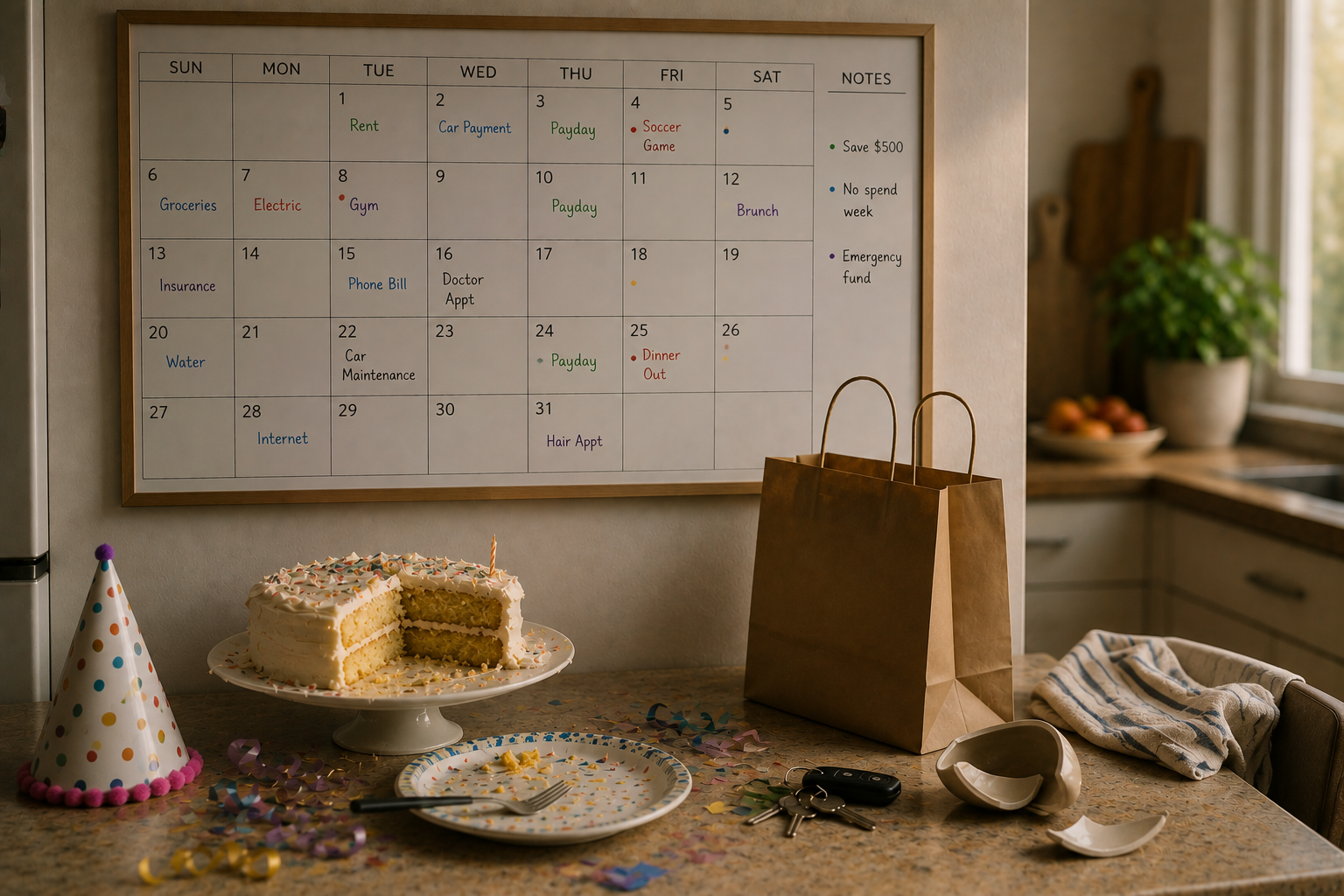
Even When You’re Doing Everything Right
Most budgets assume your life will follow the calendar. Your money has other plans.
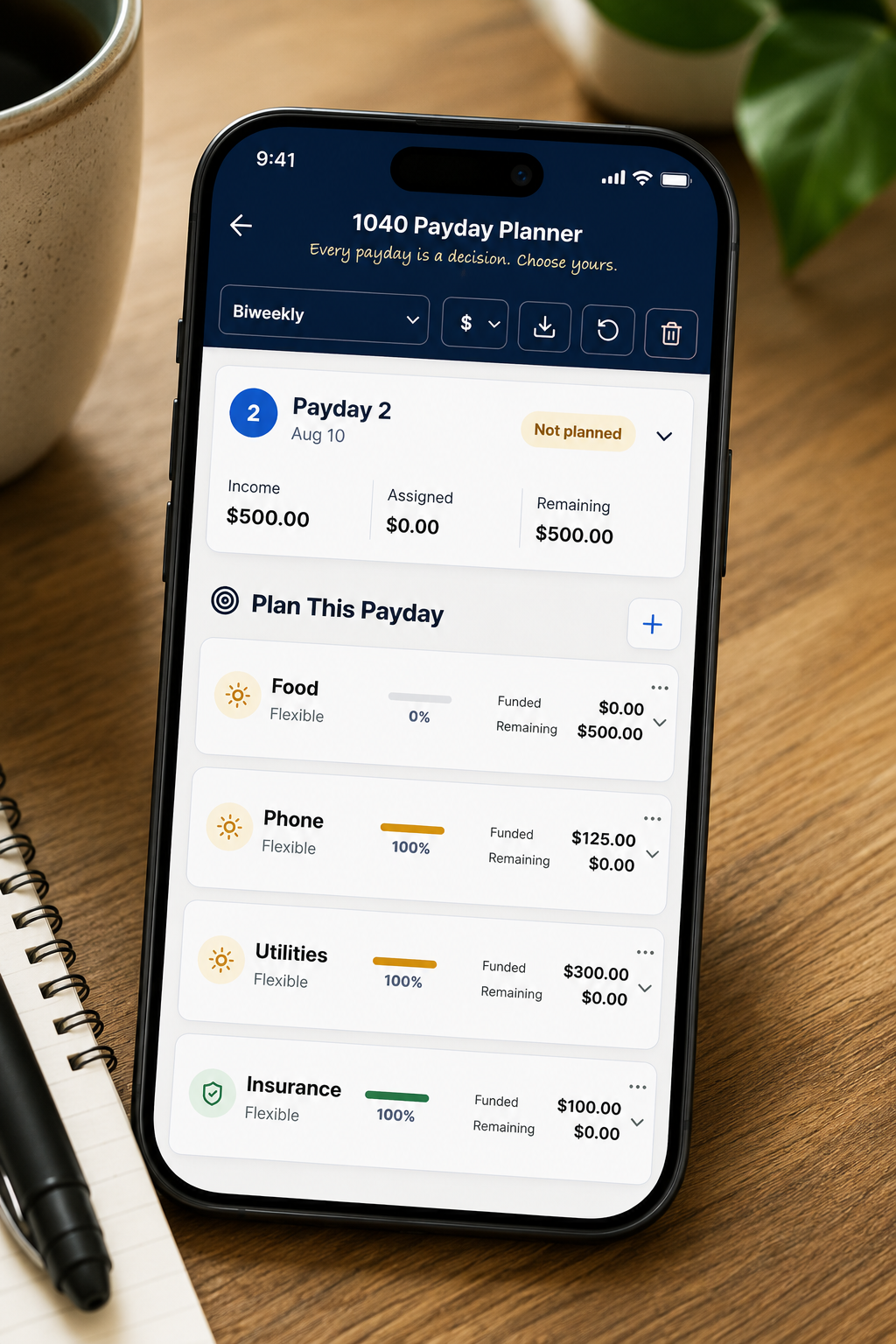
Learn how to budget with a biweekly paycheck, understand three-paycheck months, and build a plan that works with your pay schedule instead of against it.
Monthly bills follow the calendar. A biweekly paycheck follows a 14-day cycle. The right budget works with both.

Why Saving Your First $10,000 Feels So Difficult
The hardest part isn't building the money. It's protecting the reason you built it in the first place.

If you have high interest debt and little or no savings, your first priority is usually to build a small emergency fund before putting every extra dollar toward debt.

Why Waiting Can Be One of Your Best Financial Decisions
Looking back, the lesson wasn't waiting for a sale. The lesson was giving the decision time.

Why Every Dollar Represents a Choice
That is what gives money its weight. Not the number printed on it. The life exchanged for it.

How Today’s Spending Can Create Future Savings
Your paycheck doesn't disappear. It changes shape.

They see one moment. We live the whole story.

How to Make Every Paycheck Work More Intentionally
A thoughtful way to look at the things we own: every payday is supposed to solve a problem, and once that problem is solved, its job may be finished.

Sometimes we do not need a different life. We need to see the one we already have again.

How Lifestyle Inflation Can Quietly Change Your Life
Sometimes savings are not about buying more. They are about having enough freedom to walk away.

Sometimes making more money starts with noticing the benefits and discounts you have already earned.

A prepaid vacation showed me that little spending can add up because my everyday routine had been quietly spending money before I noticed.

Saying no to spending can feel harder than spending itself, but every no protects a yes that matters more.
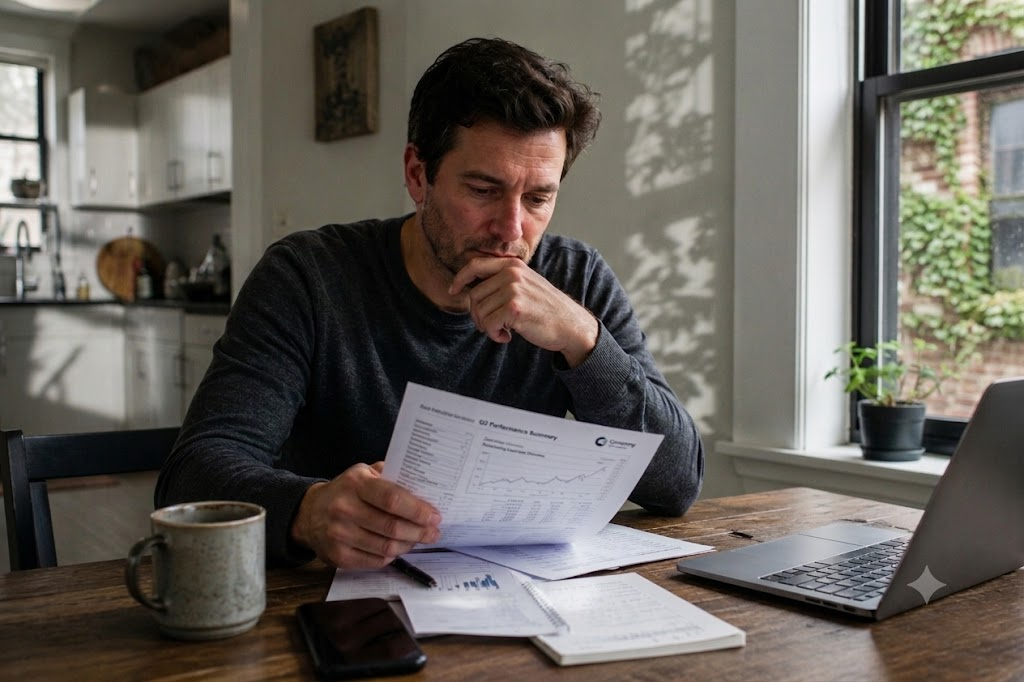
The early years of investing can feel slow, but those quiet years build the foundation that makes compound growth visible later.

How to Make It to Payday When Money Is Tight
When payday is still days away and your account is almost empty, the goal is not to fix everything. It is to protect your next payday.

Sometimes the smartest financial decision is changing your mind while you still have the chance.

Some habits outlive the reasons we first learned them.
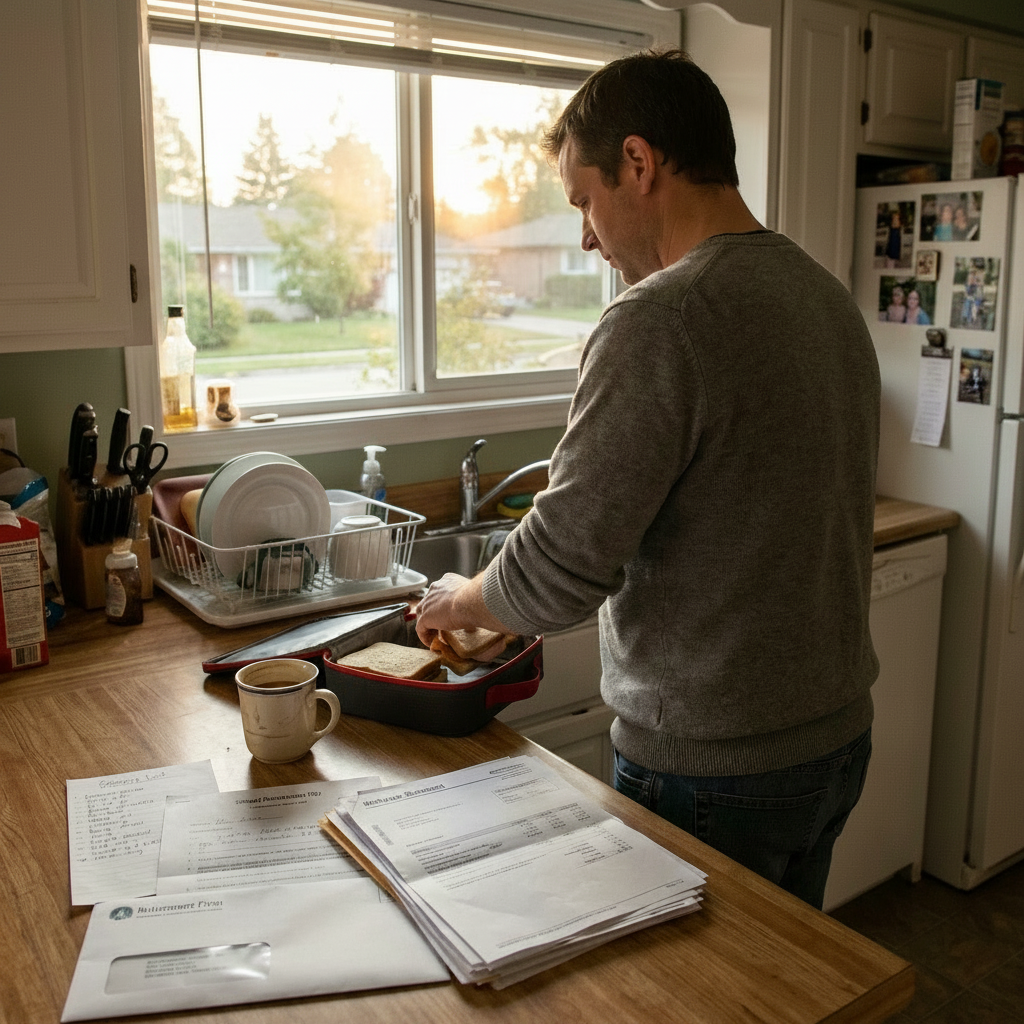
Looking back, I wasn't ignoring retirement when I was younger. I was simply living a season where other financial questions mattered more.

A forgotten bag of potatoes kept growing in the dark while the flowers I carefully planted died within a week. It made me think about how unpredictable growth can be.
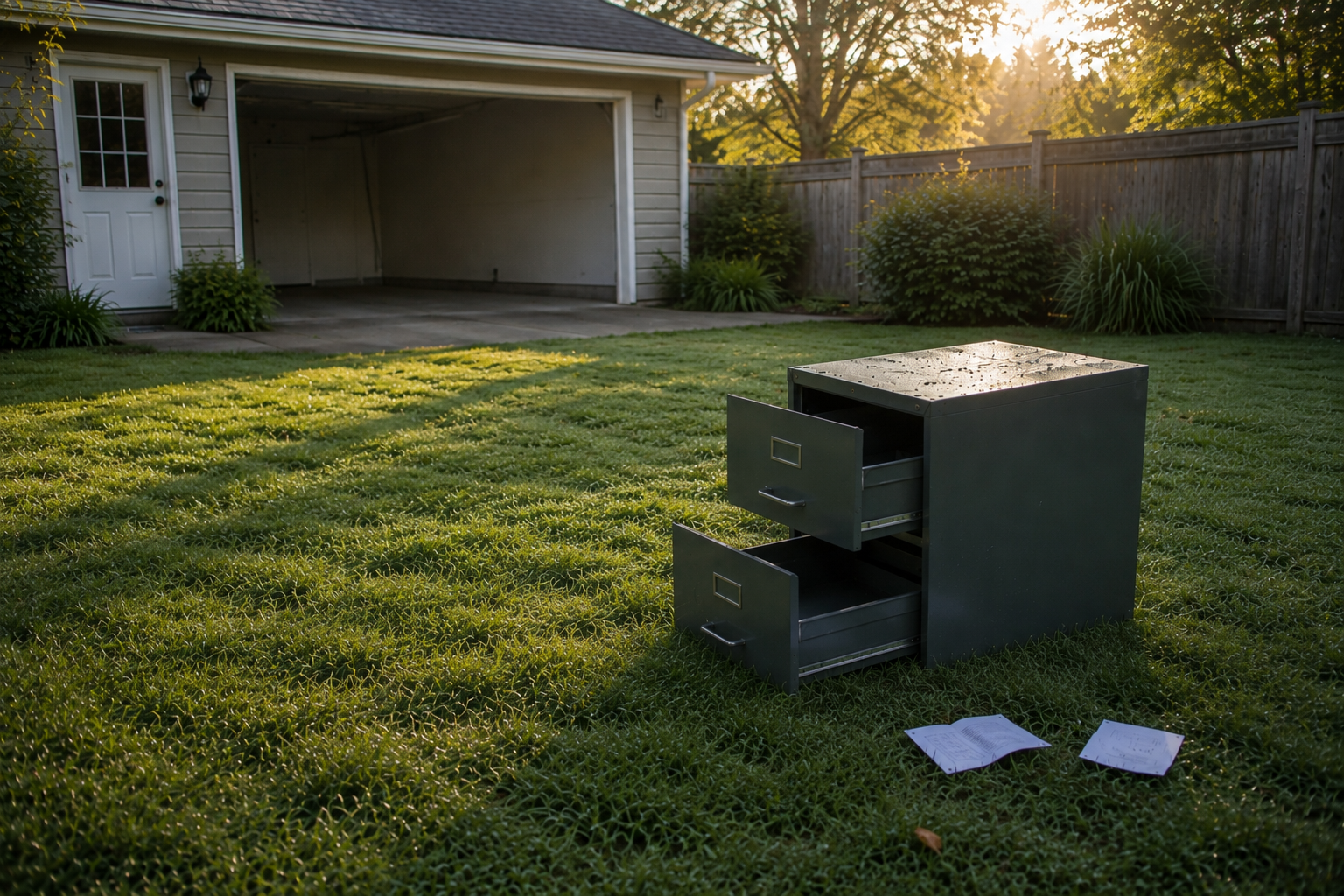
Cash can feel safe when it is close by, but long-term savings deserve more protection than a hiding place can offer.

Your most valuable asset is not your house or investment account. It is your ability to earn the paychecks that fund everything else.

Scams change, but the way they earn your trust rarely does. Learning how scammers think can help protect the money you worked so hard to build.

Your credit score is a quiet financial reputation, built through ordinary decisions long before you need it to open an important door.

Years ago, a manager taught me that financial problems are easier to address when people keep talking instead of disappearing.

For years I was surrounded by conversations about investing without realizing they mattered to me. The biggest barrier wasn't money. It was vocabulary.

Owning a home can build wealth, but home equity is not the same as retirement income. Understanding the difference can lead to better long-term financial decisions.

Every payday comes with enough decisions already. Automating the important ones can make saving and investing more consistent, as long as you remember to check that everything is still working.

Many expensive financial mistakes begin as small jobs we planned to do later. The longer they wait, the more likely they are to grow.

I never decided to stop using cheques. One day I simply realized I already had. It made me wonder what other financial habits I had stopped questioning.
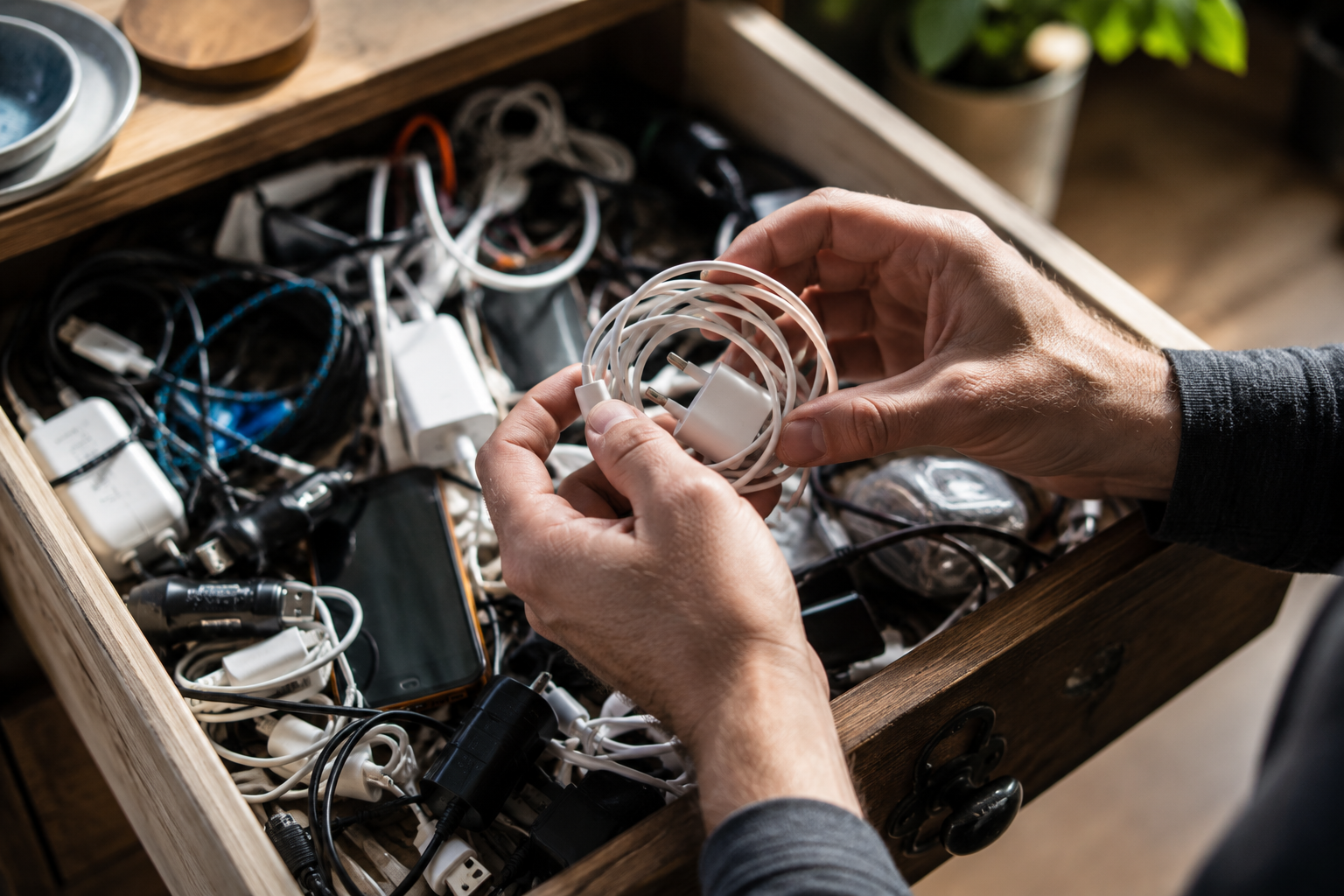
Cleaning out a drawer full of old chargers made me realize how often I keep things—not because I need them, but because I might someday.
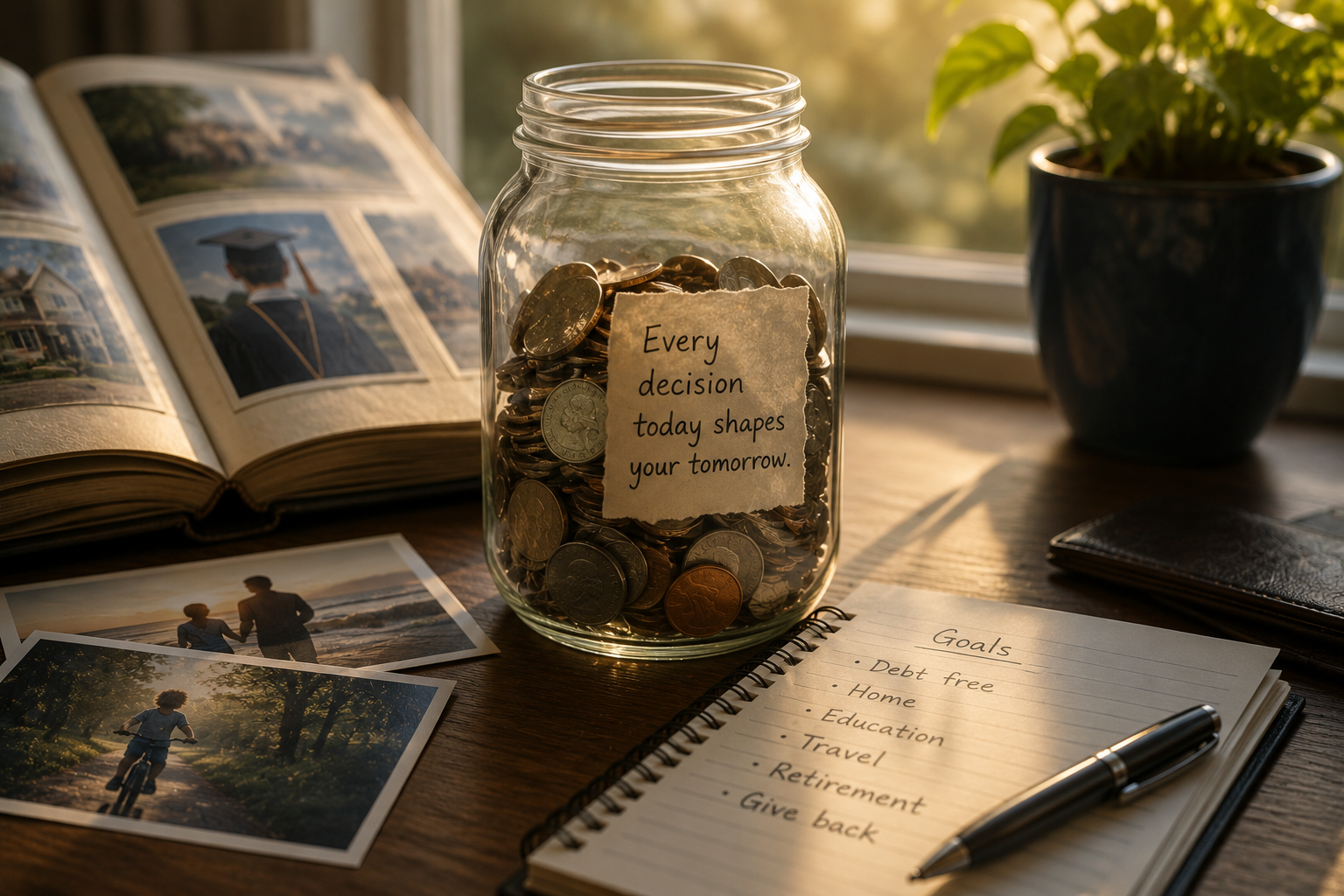
How Spending Habits Follow You From One Payday to the Next
I can't remember what I gave up to pay for my MBA. I remember exactly what it gave me. Some spending disappears. Some stays with you for the rest of your life.
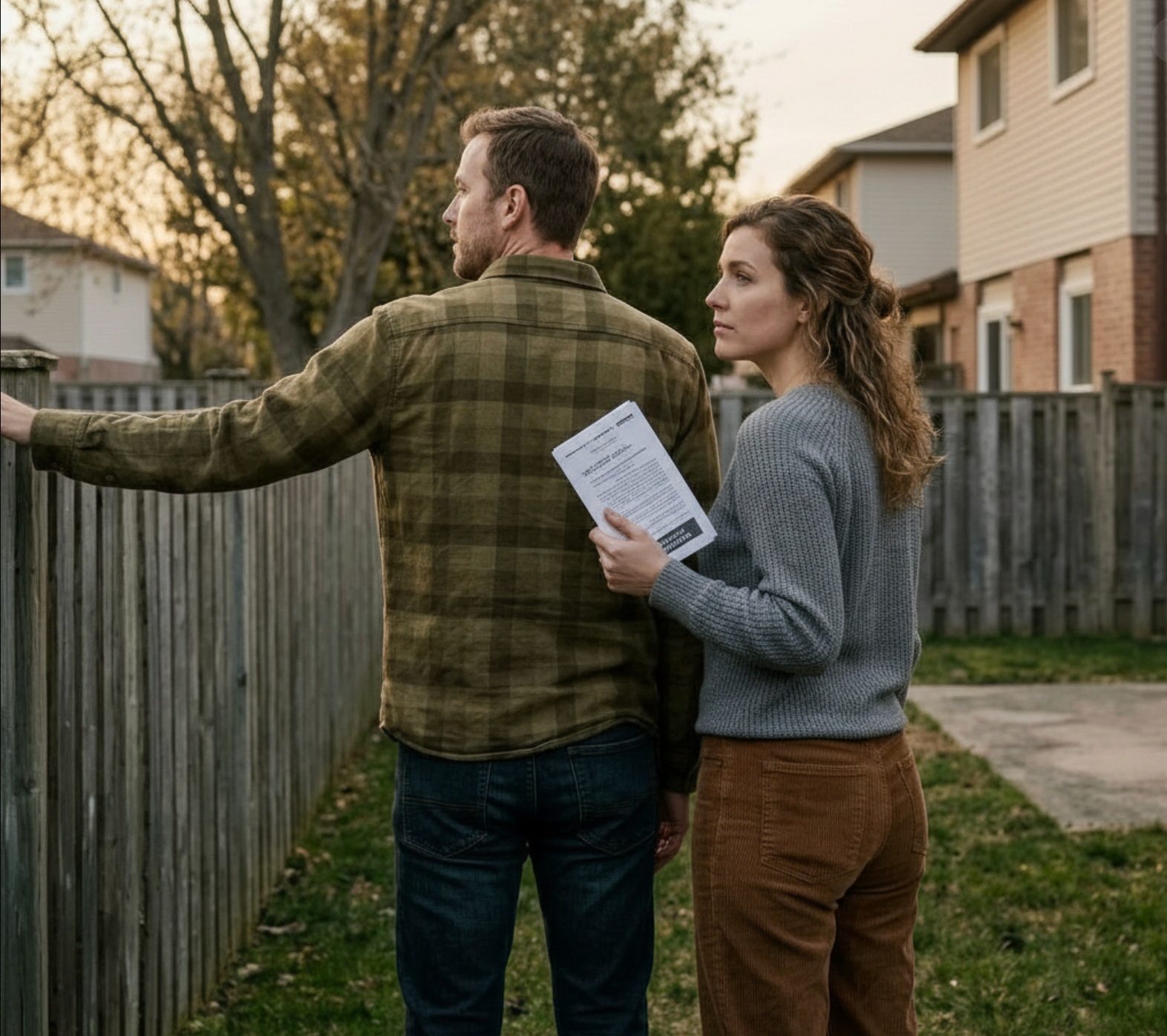
Fixed and variable mortgage rates both have trade-offs. The better choice depends on your budget, your comfort with uncertainty, and the life you are actually living.

The little savings feel good, but the biggest financial decisions deserve the most attention.

Home decorating trends can make perfectly good furniture feel outdated. My worn leather sofa taught me the difference between something that is used and something that truly needs replacing.

Saving $10,000 isn't about luck or extraordinary discipline. It's about building a framework that quietly turns small decisions into a big result.

A specialty grocery store, a glass bottle of chocolate milk, and one funny comment revealed how quietly our definition of normal can become more expensive.

Your salary is only part of what your job pays. Workplace benefits, retirement matching, employee discounts, and other perks can quietly leave more money in your pocket.

Artificial intelligence is changing the workplace, but it is not the first tool to reshape our careers. The people who keep learning usually keep earning.

Retirement doesn't begin when you stop working. It begins with your very first paycheque. Every payday quietly shapes the freedom your future self will one day have.

Everyone wants to know the best age to retire. I used to think the answer was a number too. Then I realized retirement has far less to do with birthdays than the life your investments will eventually need to support.

A month of shopping from my own pantry changed the way I think about groceries, saving money, and every payday. Sometimes the richest grocery store is the one you've already paid for.

A search for a flashlight became a reminder that forgotten gift cards, pantry food, clothes, and everyday possessions already hold value. Sometimes the easiest money to find is already under your own roof.

A Better Way to Decide What Financial Success Means
One sentence during a performance review changed the way I think about wealth forever. Real wealth isn't owning everything. It's reaching the point where your life becomes a choice.

Saving my first $1,000 didn't make me wealthy. It changed the way I saw myself and proved that my future didn't have to look like my past.

A kind coworker's unwavering belief that someone would always take care of her stayed with me for years. It changed the way I think about love, hope, and preparing for the future.
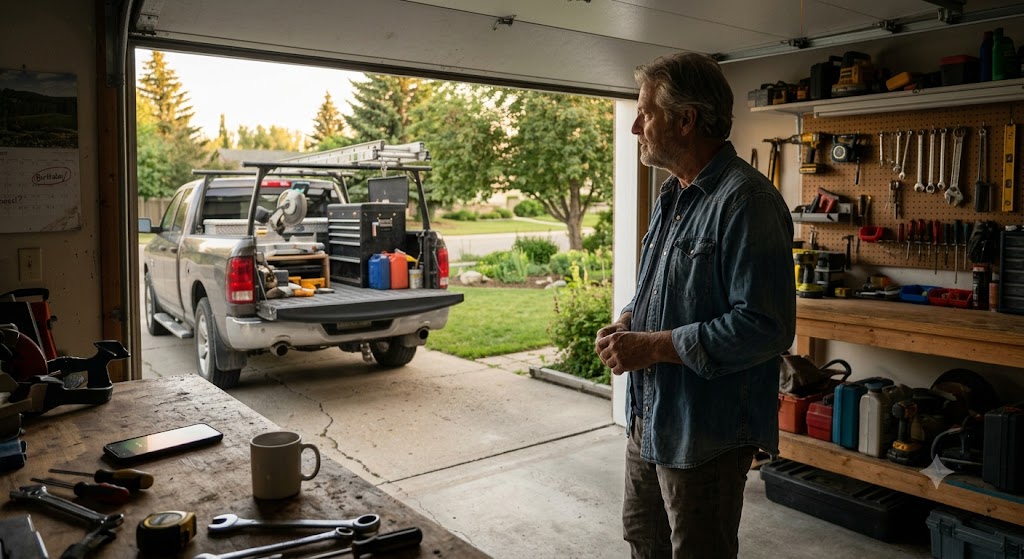
Retirement does not begin at a certain age. It begins when working becomes a choice. A quiet coworker taught me that I had been thinking about retirement all wrong.

Why Every Budget Needs an Emergency Fund
A float isn't about earning the highest return. It's about creating enough breathing room that life's unexpected expenses don't become financial emergencies. Sometimes the best investment is peace of mind.

Why the Number of Paydays You Have Left Matters
A strong salary may look impressive, but the number that shapes your future is what actually reaches your account and what you choose to do with every payday.

I changed a few habits to feel healthier and discovered that my bank balance improved too. Sometimes the best financial changes begin somewhere else entirely.

Leaving work early can feel like a reward, but every lost hour affects your paycheck, savings, and future. One simple question changed the way I value every hour I work.

A $100 loan that was never repaid taught me a lesson worth far more than the money itself. When you lend money to someone you care about, give only what you can afford never to receive again.

After receiving a severance payment, I thought I had extra money. Years later, I realized unexpected money is one of the biggest opportunities you'll ever have to build your future.