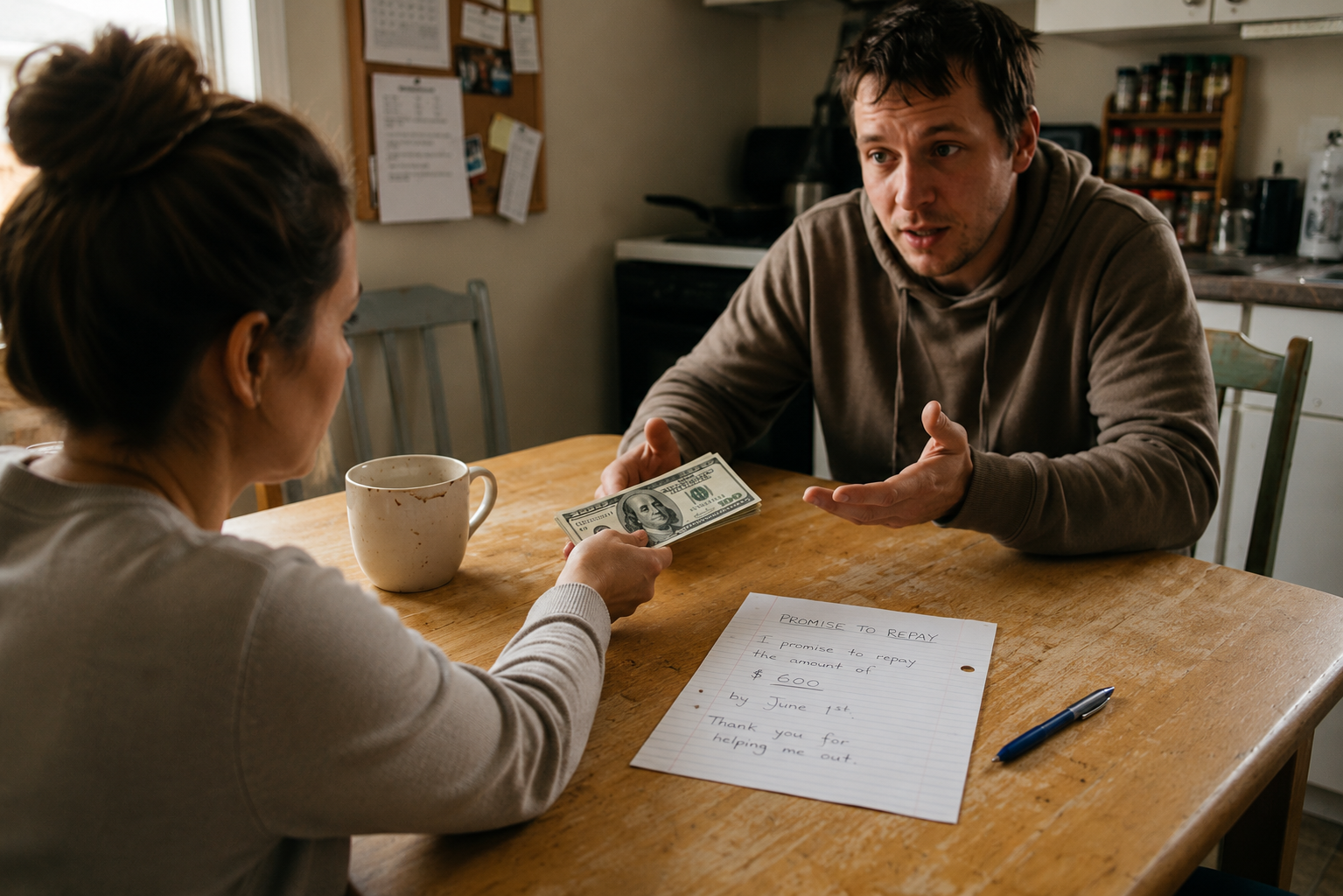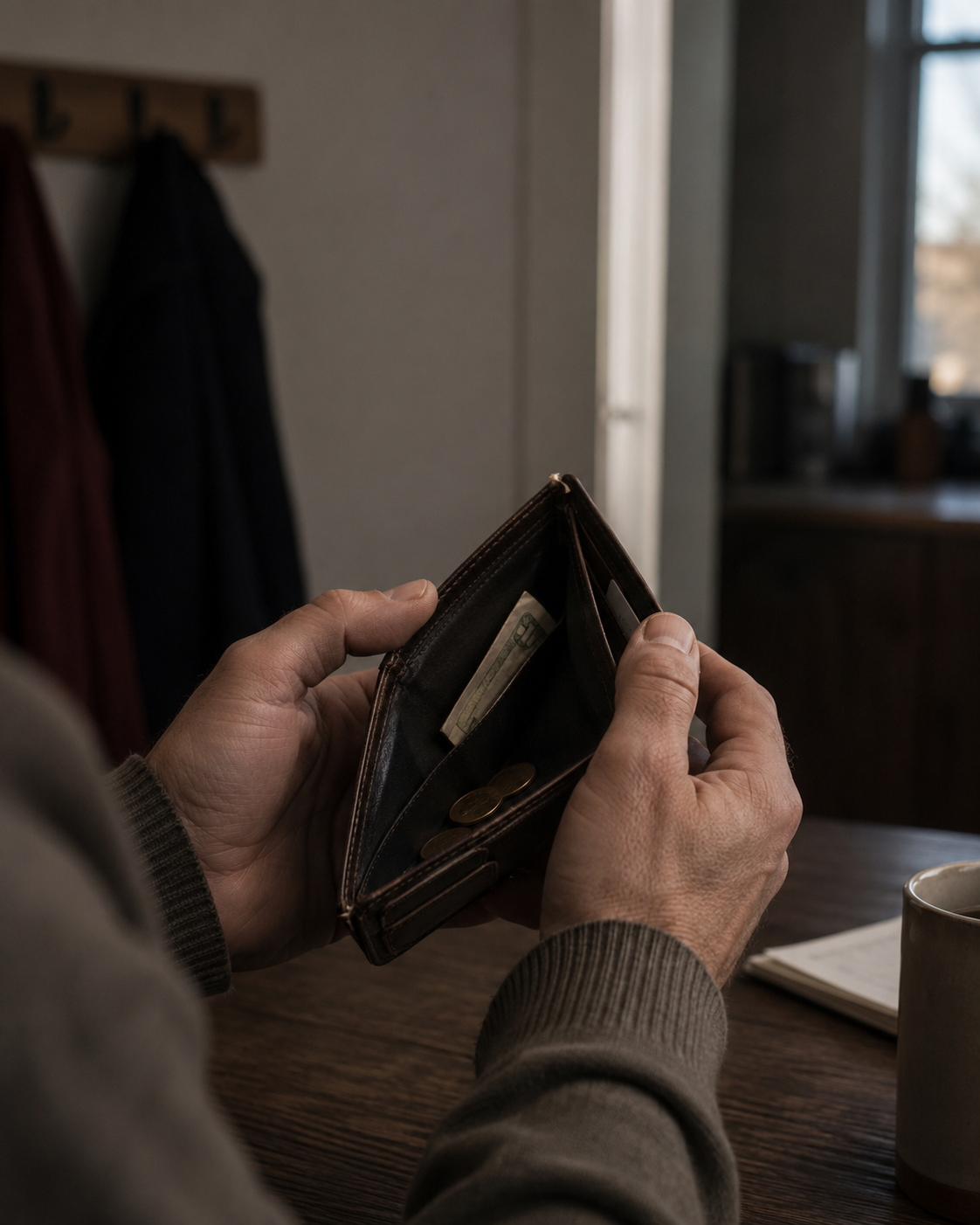
It was never just the money.
Whenever something is stolen, people reach for the same small word.
It was only twenty dollars.
It was just a bike.
It was only some cash.
Only.
I have always found that word revealing, because money is almost never just money.
Imagine someone takes one hundred dollars from your wallet.
To the person who takes it, maybe it means a night out. A tank of gas. A quick purchase made without much thought.
They see the amount.
You see something else.
Maybe that hundred dollars was this week's groceries. Maybe it was a child's birthday present. Maybe it was the first small piece of an emergency fund you had finally started. Maybe it was four or five hours you spent at work instead of at home.
The same hundred dollars. Two entirely different stories.
The older I get, the more I notice how much a dollar carries before it ever reaches a wallet. Someone stood through a long shift for it. Someone answered phones, drove a truck, stocked shelves, cleaned tables, worked overnight, took one more Saturday, missed one more dinner.
By the time money arrives in your hand, it has already cost someone something.
That is why theft is rarely confined to the amount taken. It can take the weekend that no longer happens, the bill that gets pushed forward, the debt that lingers, the small bit of calm that comes from knowing there is enough.
None of that fits neatly on a receipt or a report. Often, it is the real loss.
This has changed the way I think about my own spending, too. When I waste money, I am not only spending dollars. I am spending hours of my life. I am spending choices my future self no longer gets to make.
That does not mean money should never be enjoyed. It means the enjoyment should be worth what it asked of me.
It has also changed the way I handle other people's money. Paying someone back when I said I would. Paying fairly. Leaving the right tip. Returning extra change when a cashier makes a mistake.
These are not grand financial principles. They are ordinary acts of respect. I do not know what that money represents to someone else.
One of the easiest mistakes is judging money only by its amount. Fifty dollars means one thing to a person with plenty of room between paydays. It means something else entirely to someone trying to make the next one arrive.
The number is the same.
The sacrifice behind it is not.
That is why every payday matters. Not because every paycheck is large. Because every paycheck contains a piece of a life: hours given, energy spent, time that will not come back.
That is what gives money its weight. Not the number printed on it. The life exchanged for it.
So the next time someone says, "It was only a hundred dollars," listen to the word only.
To one person, it may be a small amount.
To the person who earned it, it may have been weeks of saving. A goal coming into view. A little more room to breathe.
Money is never just money.
It is time.
It is choices.
It is the quiet shape of what might still be possible.